
- pERFORMING iNSTRUMENTS
Pulley GPS: Your Guide to Precise Pulley Adjustments
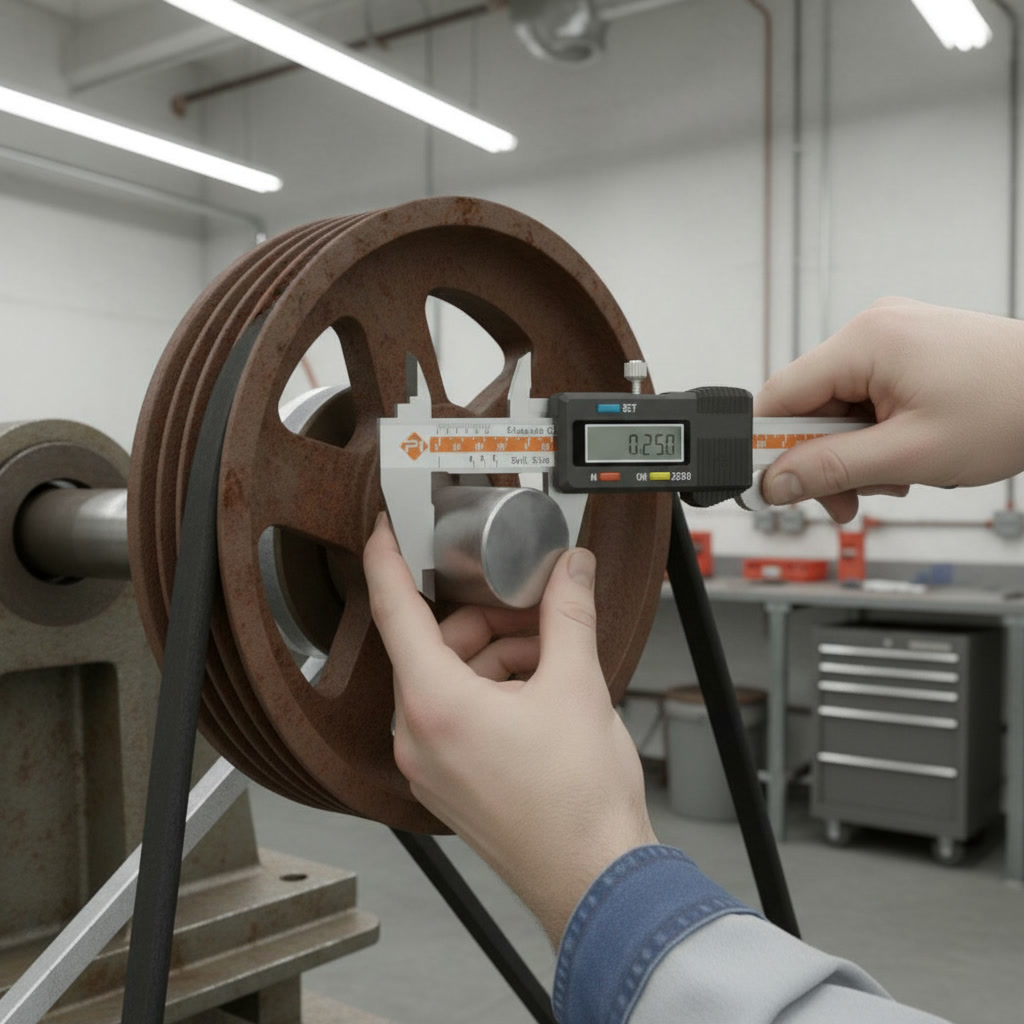
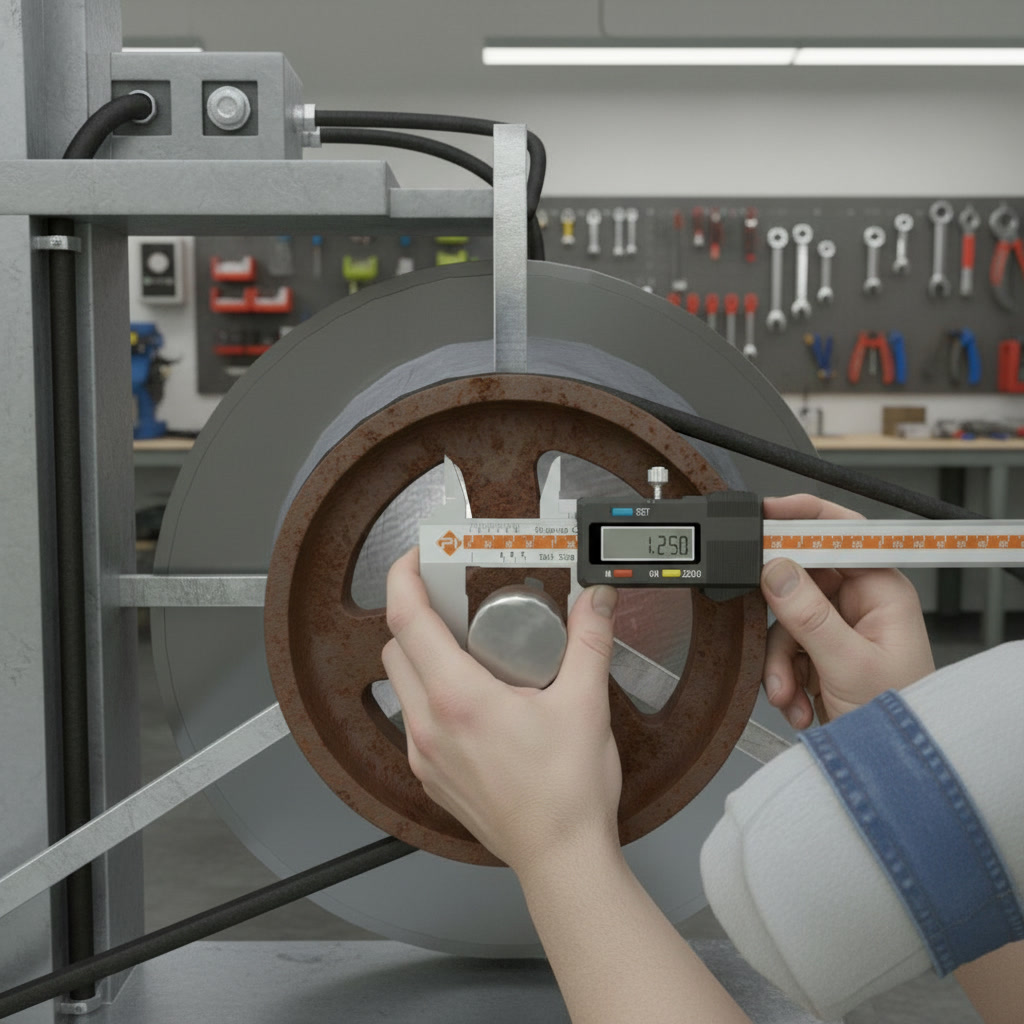
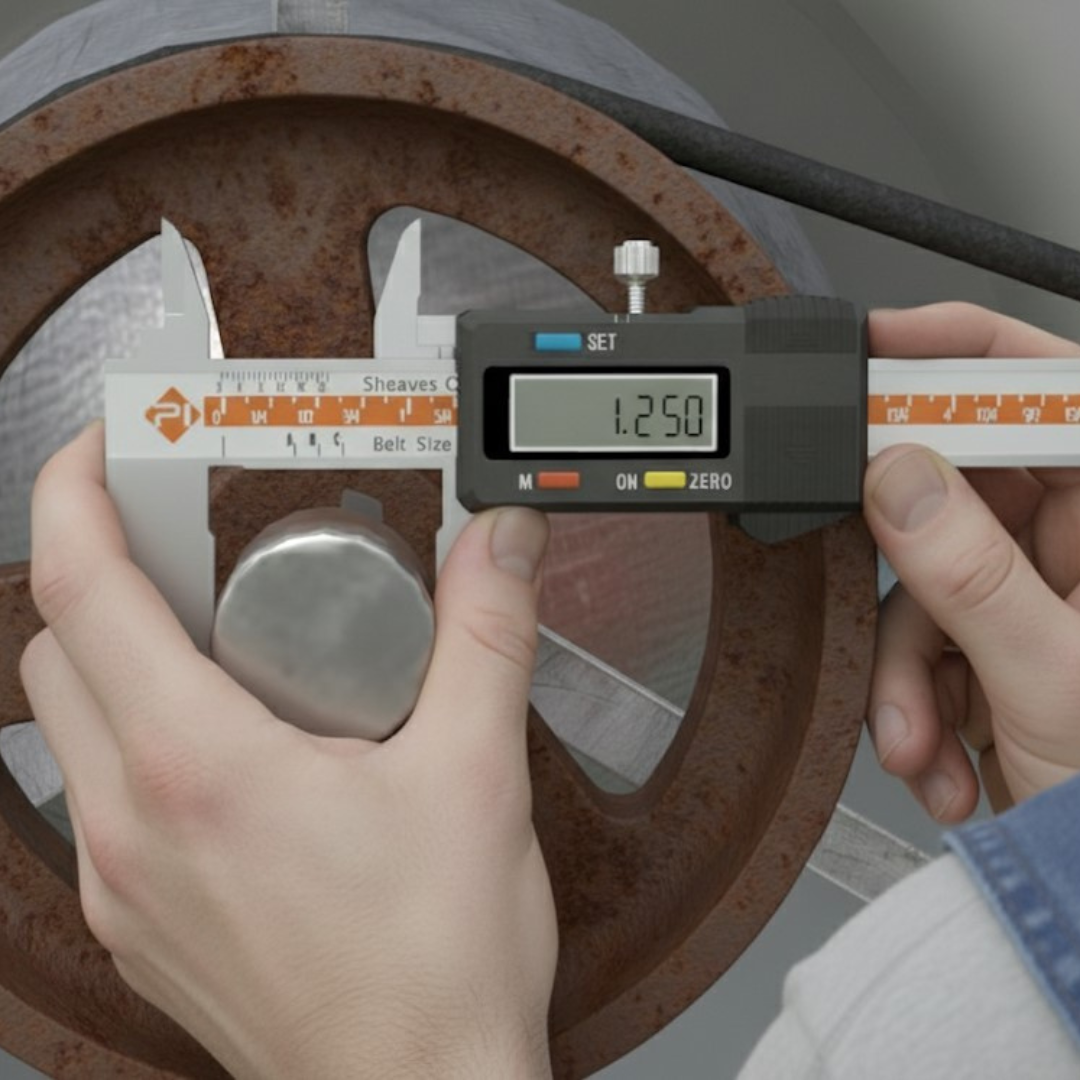




- PERFORMING INSTRUMENTS
Performing Instruments
Flow Hood Cover
The Pulley GPS is designed to read your pulley’s operating position or pitch diameter, allowing you to predict and adjust airflow within pulleys. It includes a unique chart that determines the fan’s speed or CFM for all operating positions. It also offers recommended belt sizes, and replacement pulley selection.
- pERFORMING iNSTRUMENTS
Precision Control for Your Airflow System
The Pulley GPS (Gauge & Positioning System) is an advanced diagnostic and measurement tool engineered for HVAC professionals, maintenance technicians, and facility managers. It takes the guesswork out of pulley adjustments, delivering precise, real-time data that ensures your ventilation systems operate at peak efficiency.
Unlike traditional methods that rely on visual approximation or manual calculations, the Pulley GPS combines multiple measurement functions into one rugged, easy-to-use device. It empowers you to measure, predict, and adjust with confidence, saving time and reducing costly errors.
- PERFORMING INSTRUMENTS
Why Choose the Pulley GPS?
– All-in-One Tool: Combines six essential functions into one compact, durable instrument.
– Time-Saving: Eliminates the need to juggle separate tools, manuals, and calculators.
– Error Reduction: Digital readings and built-in reference data minimize human error.
– Versatile: Suitable for a wide range of industrial, commercial, and HVAC fan systems.
– Cost-Effective: Prevents premature component failure, reduces energy waste, and extends equipment life.
Whether you are performing routine maintenance, troubleshooting airflow issues, or upgrading your system, the Pulley GPS gives you the data you need to make informed, confident decisions. It is not just a measurement tool, it is your guide to a more efficient and reliable ventilation system.
Key Features and Functionality
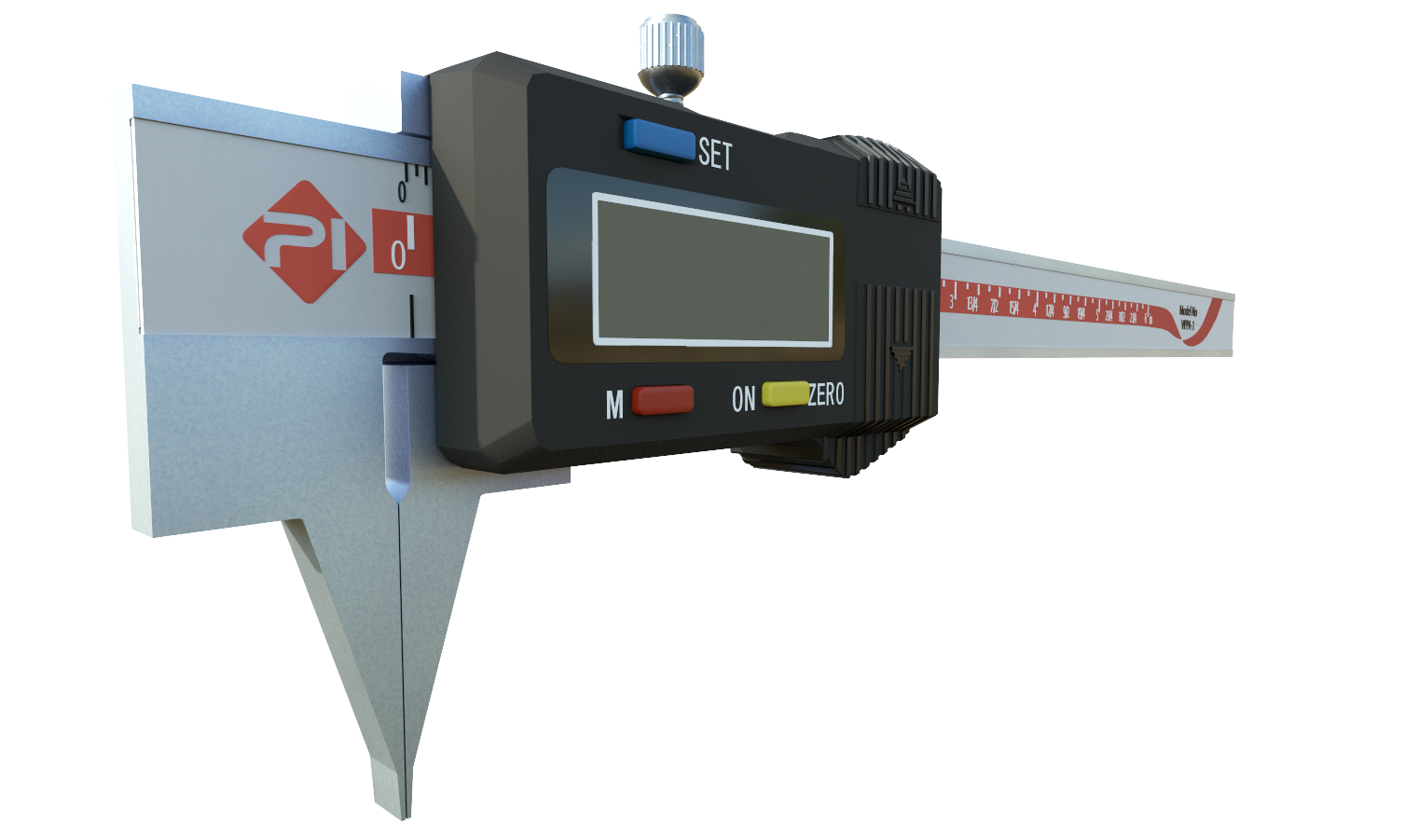
1. Read Pulley Operating Position & Pitch Diameter
At its core, the Pulley GPS accurately reads your pulley’s current operating position and calculates the effective pitch diameter. This is critical because the pitch diameter directly determines the driven speed of the fan. By knowing the exact position, you can:
– Verify that the pulley is set to the manufacturer’s specifications.
– Detect wear or misalignment before they cause system failures.
– Document baseline readings for future maintenance or audits.
2. Predict and Adjust Airflow (CFM & Fan Speed)
The Pulley GPS goes beyond simple measurements. It includes a unique, built-in reference chart (or digital lookup function) that correlates the pulley’s operating position with the actual fan speed (RPM) and cubic feet per minute (CFM) output. This means:
– Predictive Power: Before making any physical changes, you can simulate how an adjustment will affect airflow.
– Precision Adjustments: Fine-tune your system to meet exact airflow requirements without trial and error.
– Energy Efficiency: Optimize fan speed to match demand, reducing energy consumption and wear on the motor.
3. Recommended Belt Sizes
Belt selection is often overlooked, but an incorrect belt size can lead to slippage, vibration, and premature failure. The Pulley GPS provides instant, recommended belt sizes based on the measured pulley geometry and operating position. This feature ensures:
– Proper belt tension and fit for reliable power transmission.
– Reduced downtime from belt-related breakdowns.
– Quick, accurate part ordering without needing separate reference manuals.
4. Replacement Pulley Selection
When a pulley needs to be replaced—whether due to wear, damage, or a system redesign—the Pulley GPS simplifies the selection process. It cross-references your current measurements with a comprehensive database to suggest compatible replacement pulleys, ensuring you get the right part the first time. This eliminates confusion over bore sizes, keyways, and outside diameters.
5. Digital Scale to Read Bore
Precision starts with the bore. The Pulley GPS features a built-in digital scale that accurately measures the bore diameter. This is essential for:
– Verifying shaft-to-bore compatibility during installation or replacement.
– Detecting bore wear or deformation that could cause shaft misalignment.
– Documenting exact bore sizes for maintenance logs and inventory management.
6. Measure Belt Width
Belt width is a key factor in power transmission capacity and belt life. The Pulley GPS includes a dedicated gauge to measure belt width quickly and accurately. This helps you:
– Confirm that the installed belt matches the pulley groove design.
– Identify worn belts that have lost width and should be replaced.
– Select the correct replacement belt for optimal grip and longevity.


